Author: SDM Admin

  • The Standard for Organizational Project Management

    The Standard for Organizational Project Management

    Organizational project management (OPM) is the framework used to align project, program, and portfolio management practices with organizational strategy and objectives, and customizing or fitting these practices within the organization’s context, situation, or structure. This Standard for Organizational Project Management (OPM) provides guidance to organizational management, PMO staff, and practitioners on these topics. It spans the value delivery landscape and can be used with all approaches to project delivery—including waterfall, agile, hybrid and next practices (those future approaches yet to be determined).

    This standard is one of PMI’s latest foundational standards and it is aligned with A Guide to the Project Management Body of Knowledge (PMBOK® Guide) – Sixth Edition and other PMI standards.

    OPM helps organizations deliver value through the following principles:

    • Alignment with organizational strategy
    • Integration with organizational enablers
    • Consistency of education and delivery
    • Organizational integration
    • Value to the organization
    • Continuous development

    Although useful for any organization that is seeking to better meet its strategic objectives, this standard is particularly beneficial for organizations that do not have a unified project management approach and those in the process of improving or sustaining their current project management framework. As your organization grows with the changing times and adapts to disruptive technologies, this standard will help you maintain a stable framework to stay on track with your organizational strategy.
  • The Standard for Program Management

    The Standard for Program Management

    Programs have proven vital to implementing strategic initiatives—and critical to organizational success.

    The Standard for Program Management – Fourth Edition is the definitive guide for individuals and organizations seeking to mature their program management practices. It is principle-based, making it a powerful tool for a broad range of organizations, regardless of project delivery approach.

    The Standard for Program Management – Fourth Edition provides clear, complete, relevant information generally recognized as good practices for most programs, most of the time. It’s an invaluable tool for anyone who works with programs, from project, program and portfolio managers to project stakeholders and senior managers.

  • The Standard for Risk Management

    The Standard for Risk Management

    The Standard for Risk Management in Portfolios, Programs, and Projects is an update and expansion upon PMI’s popular reference, The Practice Standard for Project Risk Management.

    Risk management addresses the fact that certain events or conditions—whether expected or unforeseeable during the planning process—may occur with impacts on portfolio, program, and project objectives. These impacts can be positive or negative and may cause deviation from the intended objectives. Risk management processes allow for proactively planning to capture opportunities and limit threats.

    This standard will:

    • Identify the core principles for risk management;
    • Describe the fundamentals of risk management and the environment within which it is carried out;
    • Define the risk management life cycle; and
    • Apply risk management principles to the portfolio, program, and project domains within the context of an enterprise risk management approach.

    This standard focuses on the “what” of risk management (i.e., the key considerations for effective risk management). It is primarily written for portfolio, program, and project managers, but is a useful tool for leaders in risk management, business consumers of risk management, and other stakeholders in the portfolio, program, and project management professions.

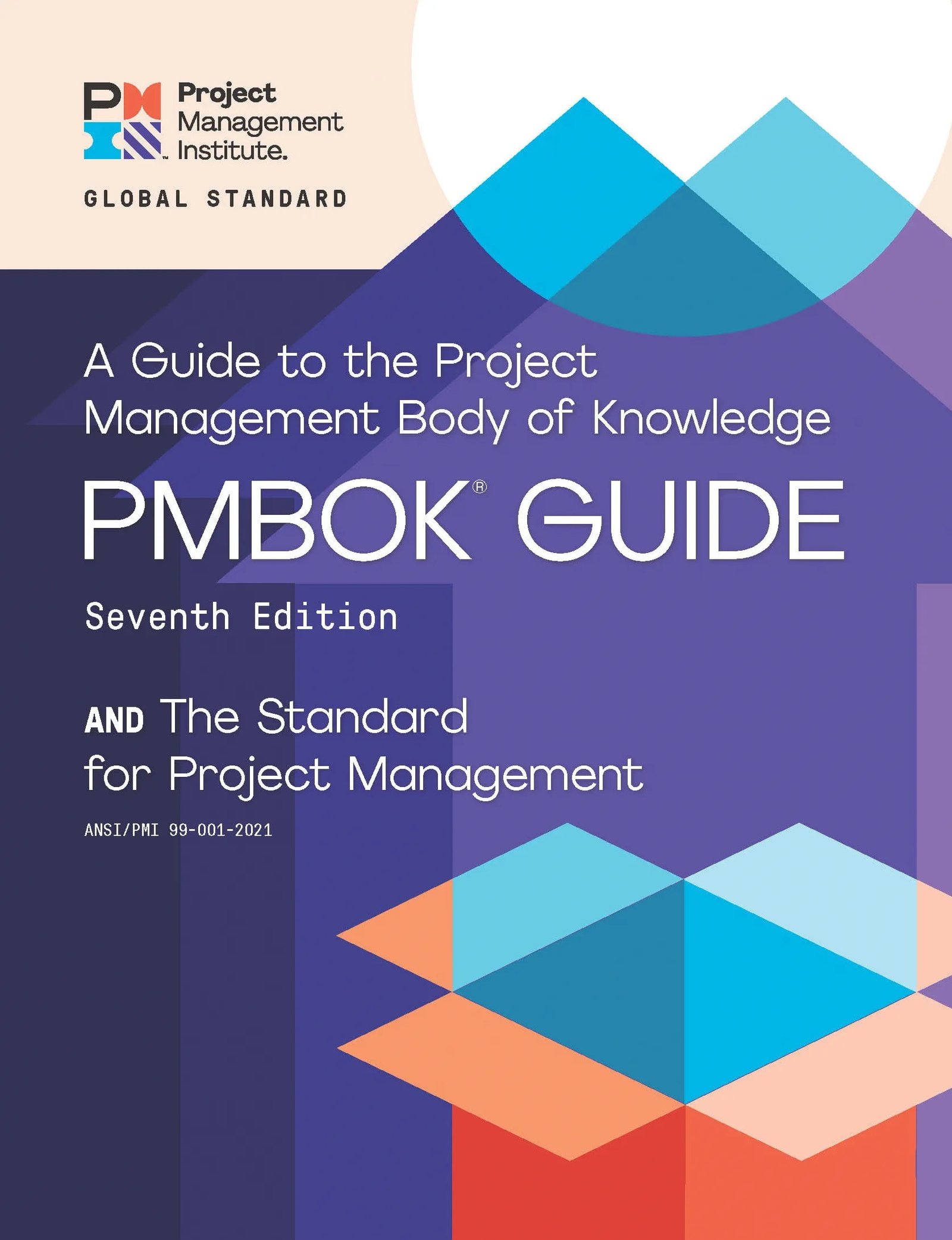
  • A Guide to the Project Management: PMBOK® Guide – Seventh Edition

    A Guide to the Project Management: PMBOK® Guide – Seventh Edition

    A Guide to the Project Management Body of Knowledge (PMBOK® Guide) is PMI’s flagship publication and is a fundamental resource for effective project management in any industry.

    PMBOK® Guide – Seventh Edition

    Emerging technology, new approaches, and fast market changes. These factors lead to changes in the world of work, driving the profession to evolve. The PMBOK® Guide – Seventh Edition is now updated to meet today’s challenges and to help you be more proactive, innovative, and nimble.

    The Seventh Edition of the PMBOK® Guide:

    • Covers all development approaches (predictive, traditional, adaptive, agile, hybrid, etc.)
    • Has an entire section on tailoring the approach and processes
    • Features an expanded list of tools and techniques, including a “Models, Methods, and Artifacts” section
    • Focuses on project outcomes in addition to deliverables
    • Works with PMIstandards+™ for additional guidance on applying the PMBOK® Guide in real-world scenarios.

    This modern edition includes both The Standard for Project Management and the PMBOK® Guide. It presents 12 principles of project management and eight project performance domains critical for the effective delivery of project outcomes. 

    The PMBOK® Guide – Seventh Edition adapts to changes in the industry and helps you achieve your goals effectively, no matter what they are. You’ll get there.

  • The Standard for Earned Value Management

    The Standard for Earned Value Management

    The Standard for Earned Value Management is an update and expansion of PMI’s reference, The Practice Standard for Earned Value Management—Second Edition

    EVM is a management methodology used in project management for integrating scope, schedule, & resources; objectively measuring project performance and progress; and forecasting project outcomes.  EVM provides practices, methods and tools for project and program performance monitoring and has demonstrated itself to be of great value.  

    This standard will assist practitioners & organizations to:

    • Mature their practices
    • Drive continuous improvement
    • Integrate these practices with existing project management practices

    For project professionals, it is important to know that project work is being accomplished as planned, that costs are at the level expected, and what the remaining work is likely to cost. It is even more important to be able to identify where any problems are occurring, how serious the problems are, and what it will take to get the project back on track.

    Earned Value Management (EVM), known as “management with the lights on”, is based on the principle that past patterns and trends can indicate future conditions. EVM helps you clearly and objectively see where your project is headed compared to where it is supposed to be.

    The Standard for Earned Value Management is intended for any practitioner or organization who wants to expand their toolset and use EVM to improve project performance.